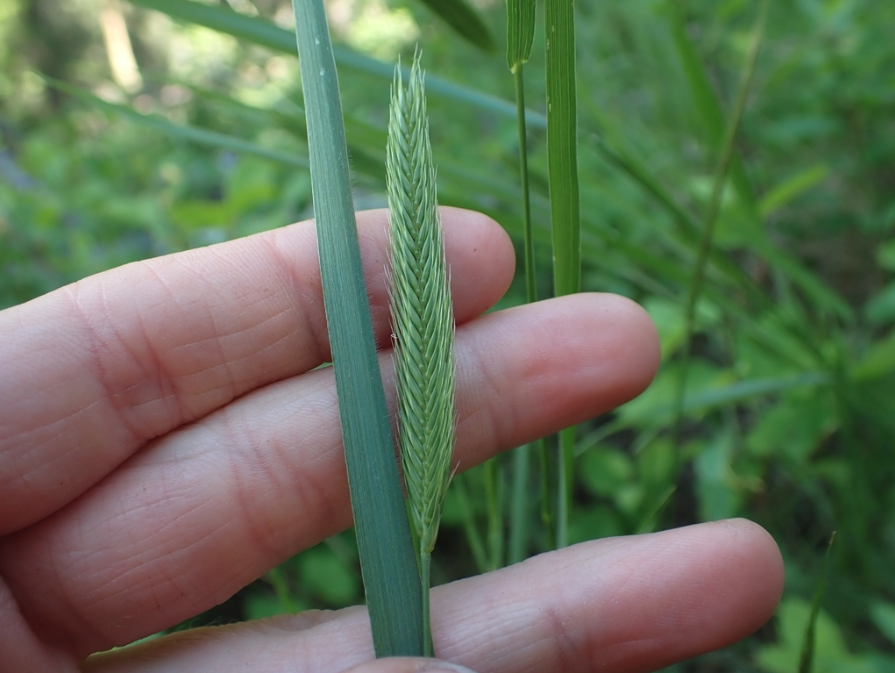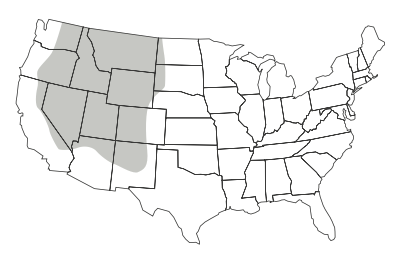
Siberian Wheatgrass (Agropyron fragile) is a perennial grass native to western US states (such as Idaho and Montana) and has also been successfully introduced across North America as a non-invasive drought-hardy conservation grass that can thrive in USDA Zones 3–8. Reaching a mature height of 1.5–3 feet with a dense, deep-rooted bunching growth habit, it features narrow, blue-green leaves and produces narrow, comb-like seed spikes with narrow spikelet angles. It thrives in dry, sandy, or gravelly soils in semi-arid regions in full sun and is ideal for severe drought rangeland seeding, wind erosion control, and dryland pasture grazing.
Formerly Agropyron sibericum. Cool season, perennial bunchgrass similar to Standard crested wheatgrass (A. desertorum) but is more drought tolerant, better adapted to saline soils, later maturing, more palatable and performs better on lighter textured soils. Extremely cold tolerant. Seedling vigor can be lower than other crested cultivars.
Species Attributes
Seeds Per lb
170000
Growing Region
Midwest, Intermountain West, Pacific Northwest
Native
Introduced
Life Form
Grass
Life Cycle
Perennial
Light Requirements
Sun
Precipitation Requirements
Low
Mature Height
1-3 ft
Flowering Season
Cool/Warm Season
Cool
Bloat/Non-Bloat
Bloom Color
Bunch/Sod
Bunch
Experts in providing seed and erosion control solutions for a wide range of applications. Visit our parent company The NativeSeed Group.