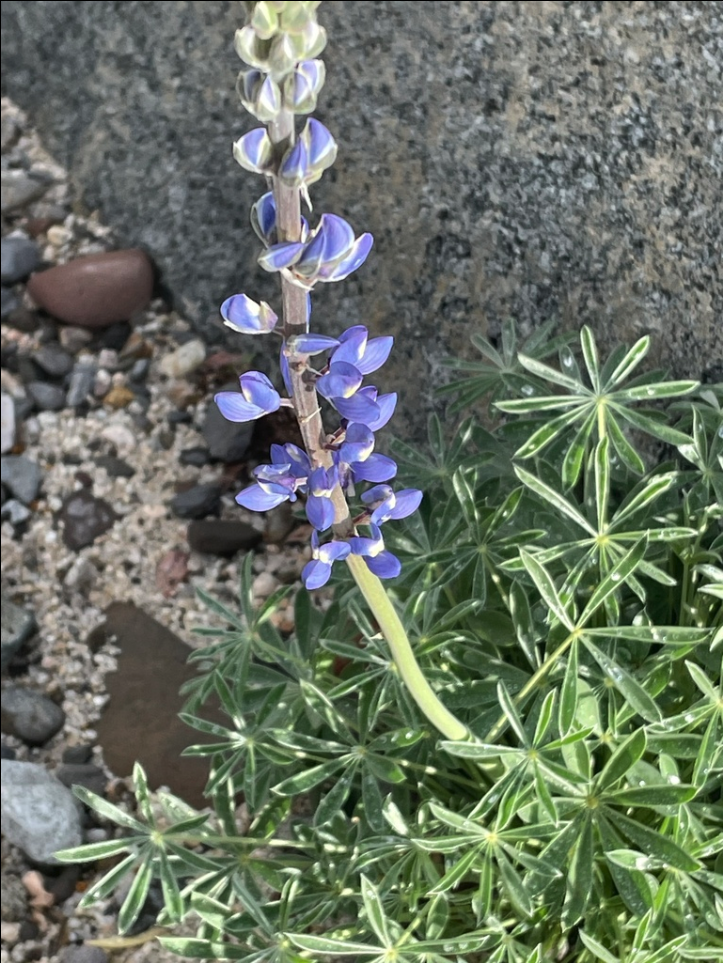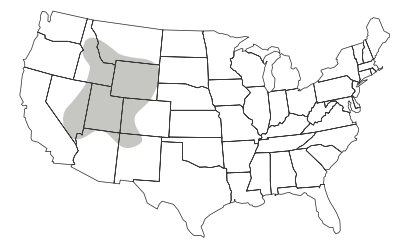
Mountain Lupine (Lupinus alpestris / Lupinus argenteus) is a perennial forb native to Western US states (such as Colorado, Wyoming, Utah, Montana, and Idaho) that can thrive in USDA Zones 3–7. Reaching a mature height of 1.5–3 feet with an upright branching growth habit, it features palmately compound, silvery-green hairy leaves and produces tall terminal spikes of vibrant blue to violet-purple pea-like flowers. It thrives in mountain meadows, subalpine ridges, and forest clearings in well-drained soils and is ideal for high-elevation slope stabilization, soil nitrogen fixation, and pollinator habitat.
Moderately drought tolerant, leguminous native perennial with blue-lavender flowers, blooming June to October. Occurs from foothills to the subalpine, in clearings, under trees and on moist exposed ridges; up to 11,000 ft. elevation. Seeds are eaten by various birds. Important pollen source for bees and other pollinators. Poisonous to livestock.
Species Attributes
Seeds Per lb
12500
Growing Region
Intermountain West, Pacific Northwest
Native
Intermountain West, Pacific Northwest
Life Form
Shrub
Life Cycle
Perennial
Light Requirements
Sun
Precipitation Requirements
Low
Mature Height
1-3 ft
Flowering Season
Summer, Fall
Cool/Warm Season
Bloat/Non-Bloat
Bloom Color
Blue, Purple
Bunch/Sod
Experts in providing seed and erosion control solutions for a wide range of applications. Visit our parent company The NativeSeed Group.